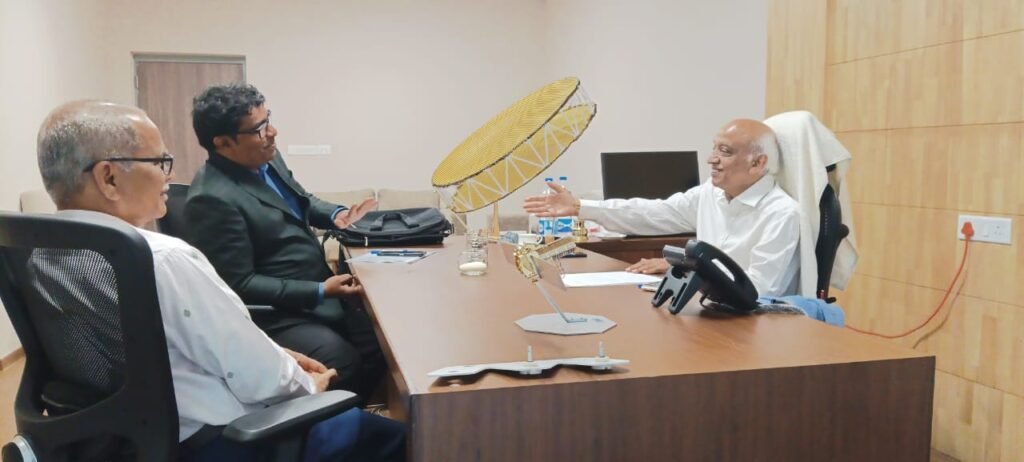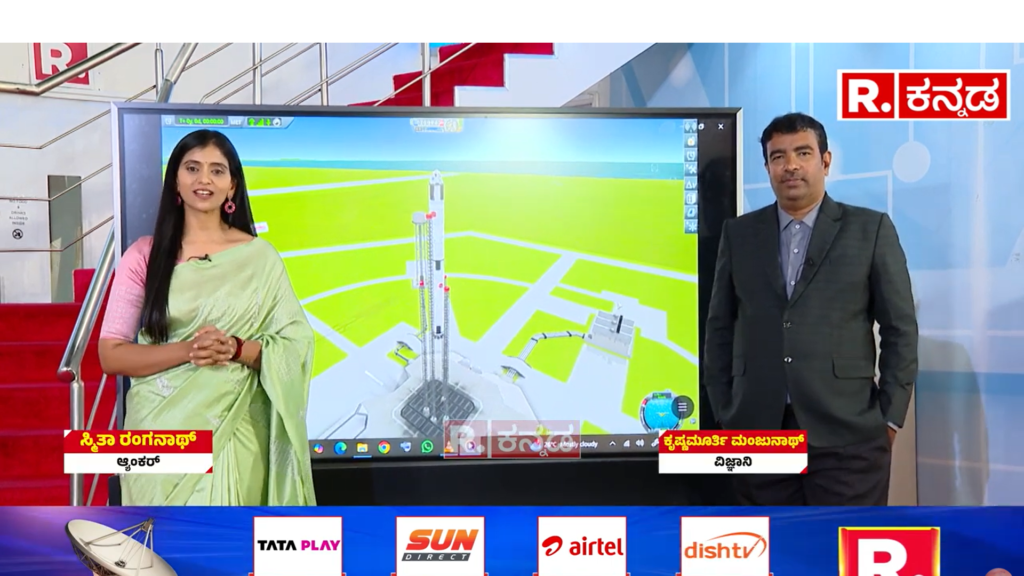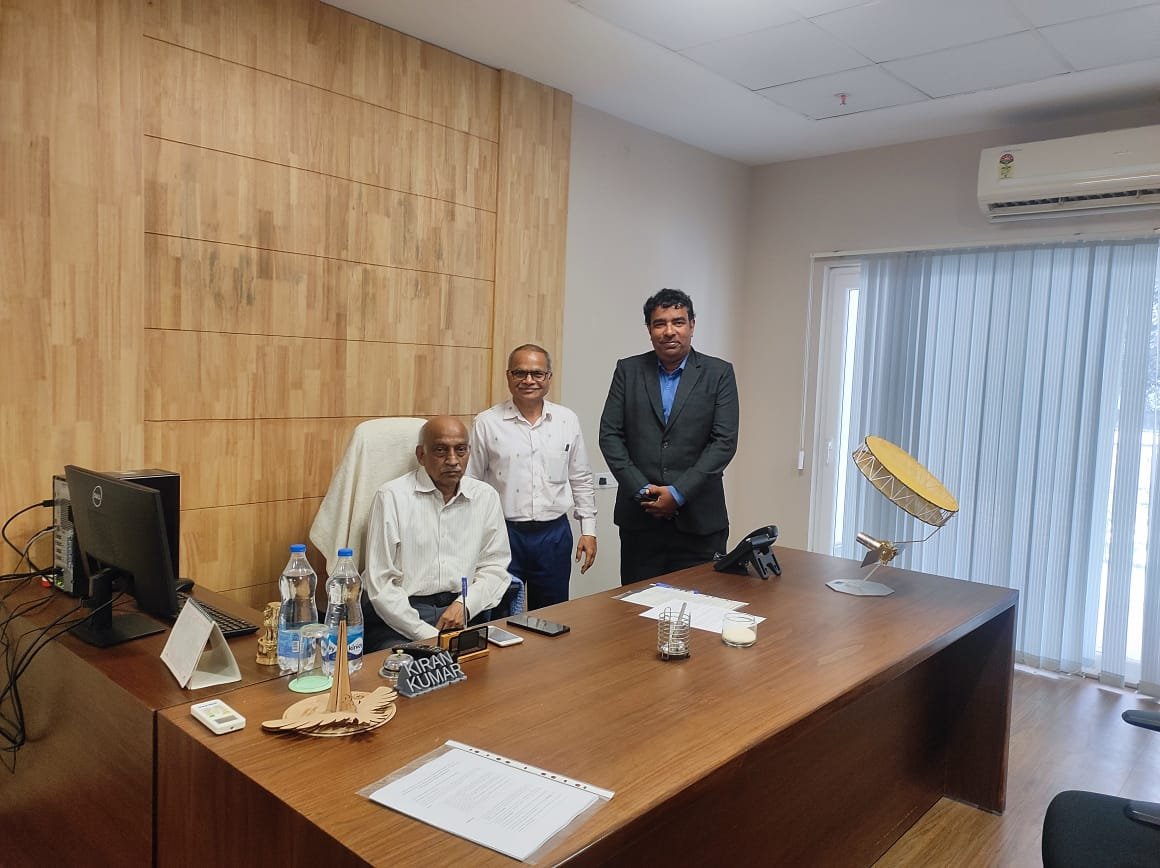
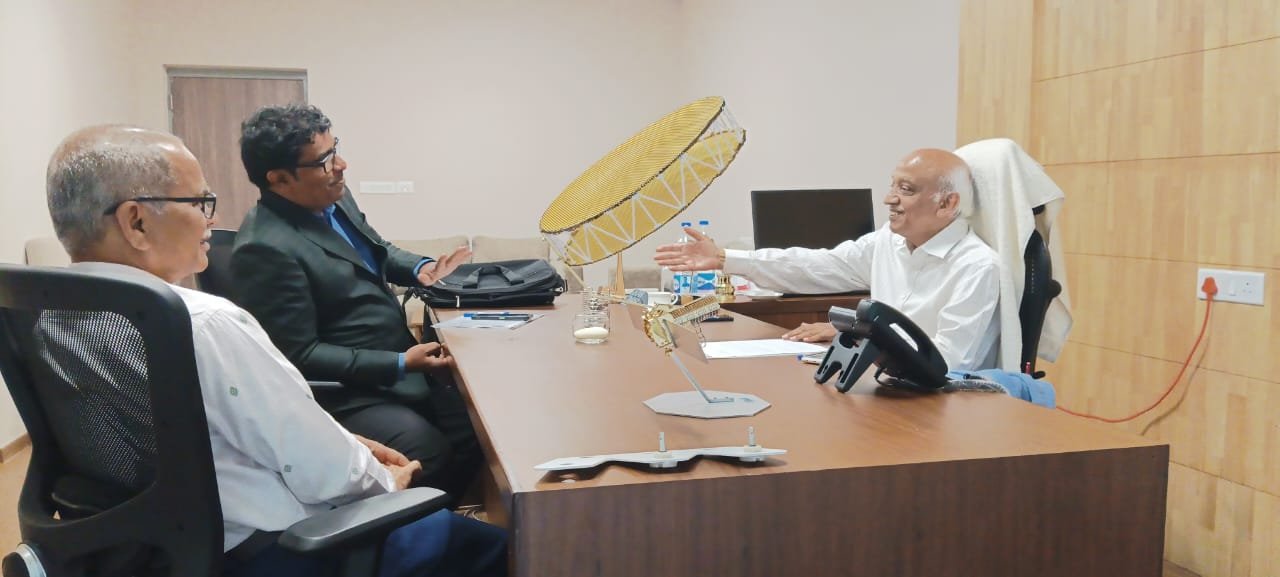
The genesis of the Space Technology Education starting with Mars Rover Training Program was born from the vision and guidance of A. S. Kiran Kumar, who strongly believed that India’s education system needed a major transformation from textbook-driven learning to practical, experience-based scientific education. He observed that while many children were studying in highly advanced schools with access to modern infrastructure and technology, there remained a significant gap in real engineering understanding and hands-on capability. During an important meeting held in early 2025 at ISRO Headquarters, involving Krishnamurthy Manjunatha, Nagendrayaa, and Subramanya, Shri Kiran Kumar openly discussed the urgent need to introduce practical learning methods for children at an early stage. One of the most striking observations he shared was that many students studying in Grade 10, even in reputed high-technology schools, did not know how to properly hold a screwdriver or understand basic mechanical assembly. This highlighted a serious disconnect between academic education and real-world technical skills.
Shri Kiran Kumar emphasized that future scientists, engineers, and innovators cannot be created through theory alone—they must learn by touching, building, experimenting, making mistakes, and solving real problems. He strongly advocated that children should be introduced to engineering systems in a simple, safe, and inspiring way from a very young age. Rather than limiting science education to books and examinations, students should be given opportunities to physically assemble systems, understand mechanisms, and experience the excitement of solving practical challenges. He encouraged the development of a hands-on educational platform based on space technology—something that could connect children to the dream of planetary exploration and inspire them to think beyond Earth.
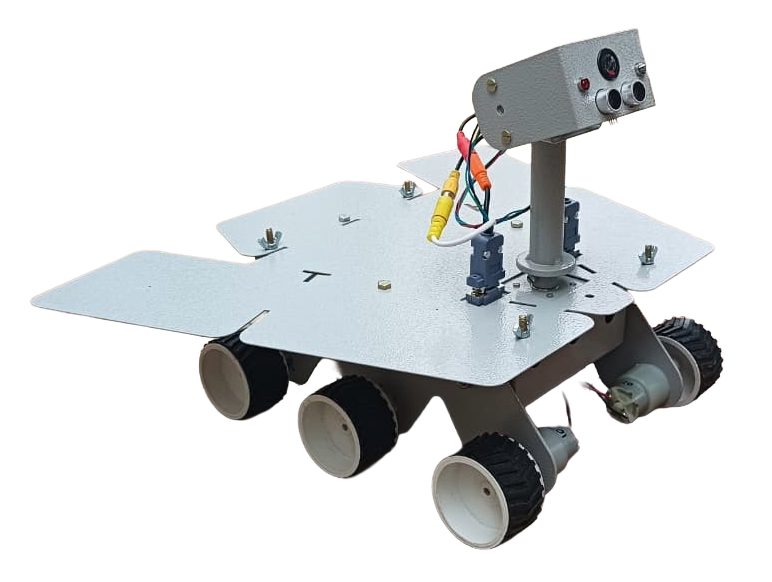
Based on these powerful suggestions and educational philosophy, Krishnamurthy Manjunatha and Subramanya took the initiative to create a practical learning system centered around a Mars rover. The idea was to develop a functional, buildable educational replica inspired by NASA’s Mars Exploration Rover Spirit and Mars Exploration Rover Opportunity rovers, which had become global symbols of robotic exploration and scientific discovery on Mars. The objective was not to create a simple toy rover, but a true educational engineering platform where children could learn mechanics, electronics, electrical systems, robotics, and planetary science through direct interaction and assembly.
Initially, the team planned to introduce the program for children from Grade 5 onwards, assuming older students would better understand the engineering concepts. However, when the concept was discussed with Shri Kiran Kumar, he made a highly important and insightful recommendation—he suggested that the program should begin from Grade 3 onwards instead. His reasoning was based on a deep understanding of child learning behavior. He explained that children in Grades 3 to 4 possess stronger natural curiosity, imagination, and willingness to explore without fear of failure. They are more excited by machines, movement, and discovery, and are more open to learning through experimentation.
He also pointed out that younger children often experience less restrictive parental interference compared to older students. For children in Grades 5 and above, academic pressure, examination focus, and parental expectations often reduce opportunities for creative exploration and hands-on learning. By starting earlier, the program could create stronger long-term scientific engagement and help children develop confidence in engineering and innovation from the very beginning of their educational journey.
This guidance completely reshaped the design philosophy of the program. The rover had to be re-engineered specifically for young children rather than for adults or older students. This required multiple prototypes, testing cycles, and design iterations. Every detail had to be reconsidered from the perspective of safety, usability, and educational effectiveness. The structure needed to be strong enough to withstand repeated handling and rough use, yet not too heavy for children to lift or assemble. The sheet metal components had to be durable but without sharp edges that could cause scratches or injuries.
Electrical safety was another major design priority. All systems were redesigned to operate at 12 volts or less to eliminate the risk of electrical shock and ensure safe classroom use. Connectors were simplified so children could perform wiring themselves without confusion or danger. Larger nuts and bolts were intentionally selected so that small hands could easily hold, align, and tighten them without requiring excessive force or precision. Mechanical fastening had to feel achievable and rewarding rather than frustrating.
The rover also needed to remain visually exciting and realistic so that students could feel they were building a true Mars mission system.Several versions of the rover were developed over time. Some prototypes were too heavy, some too complex, and others required improvements in mobility, durability, or ease of assembly. Continuous refinement was carried out through repeated testing, classroom observations, and engineering evaluation. The goal was to achieve the perfect balance between realism, safety, strength, simplicity, and excitement.
A major milestone came when Shri Kiran Kumar personally tested the rover prototype himself. He carefully examined the build quality, student usability, safety aspects, and educational value of the system. He suggested final modifications and improvements to make the platform more effective for child learning and more practical for repeated training sessions. His direct involvement ensured that the final version was not only technically sound but also fully aligned with the original educational vision of learning through doing.
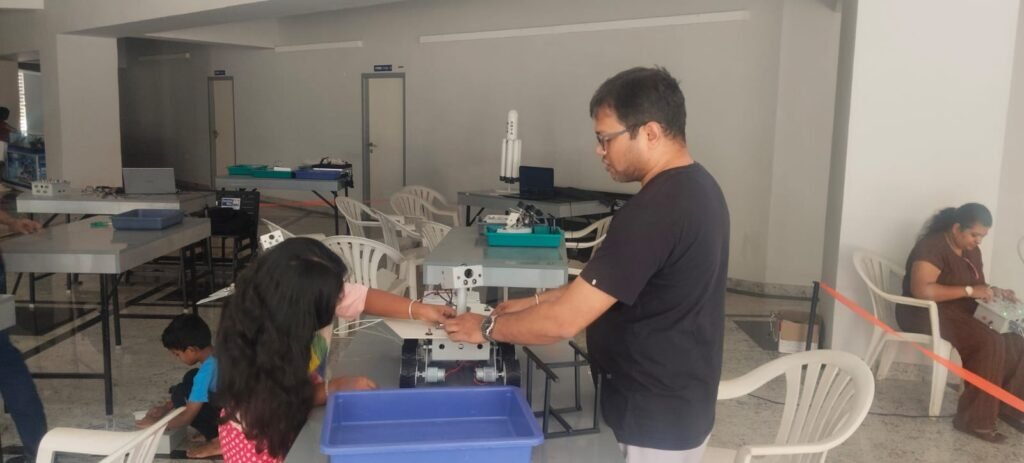
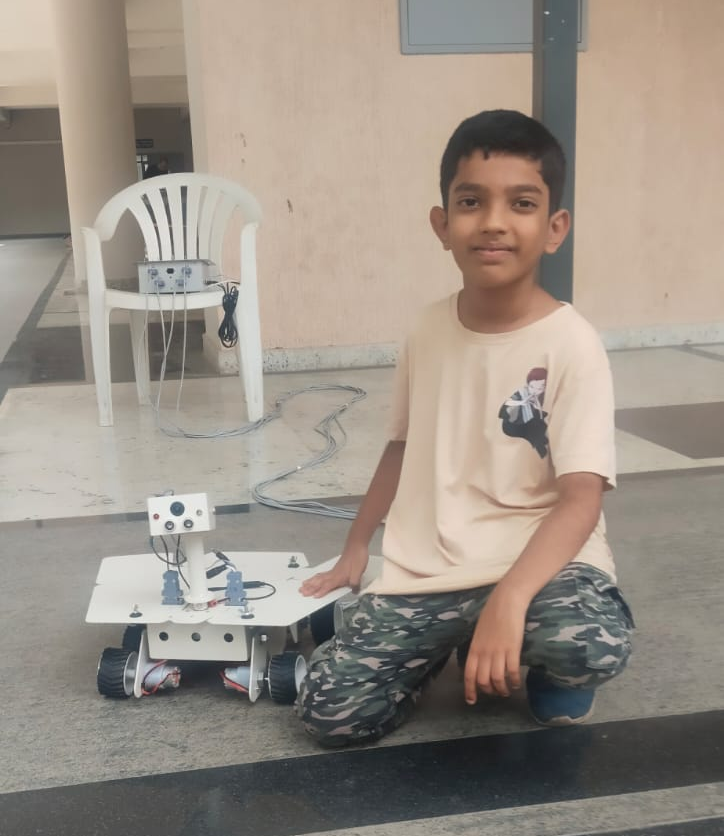
The final rover version that emerged from this process became much more than a classroom project—it became a “Lab on Wheels,” where Physics, Electronics, Mechanical Engineering, Electrical Systems, and Space Science come together in one integrated hands-on platform. Today, this rover is successfully used in the Mars Rover Training Program by iMars Organization to train and inspire children from Grade 2 onwards. It stands as a direct result of Shri Kiran Kumar’s vision, practical educational philosophy, and commitment to nurturing scientific curiosity in young minds. What began as a discussion inside ISRO Headquarters evolved into a meaningful educational mission that allows children not just to learn about Mars exploration—but to build it with their own hands.
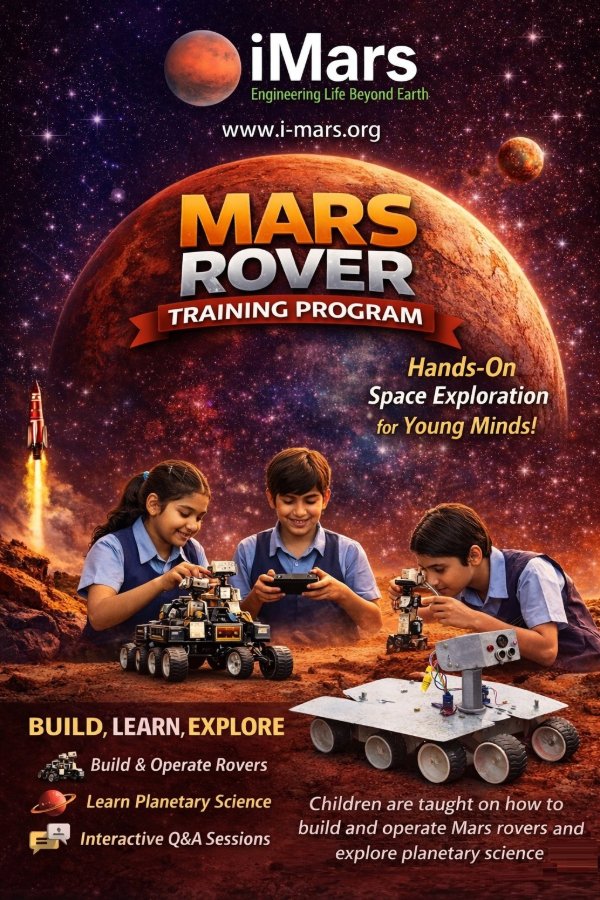
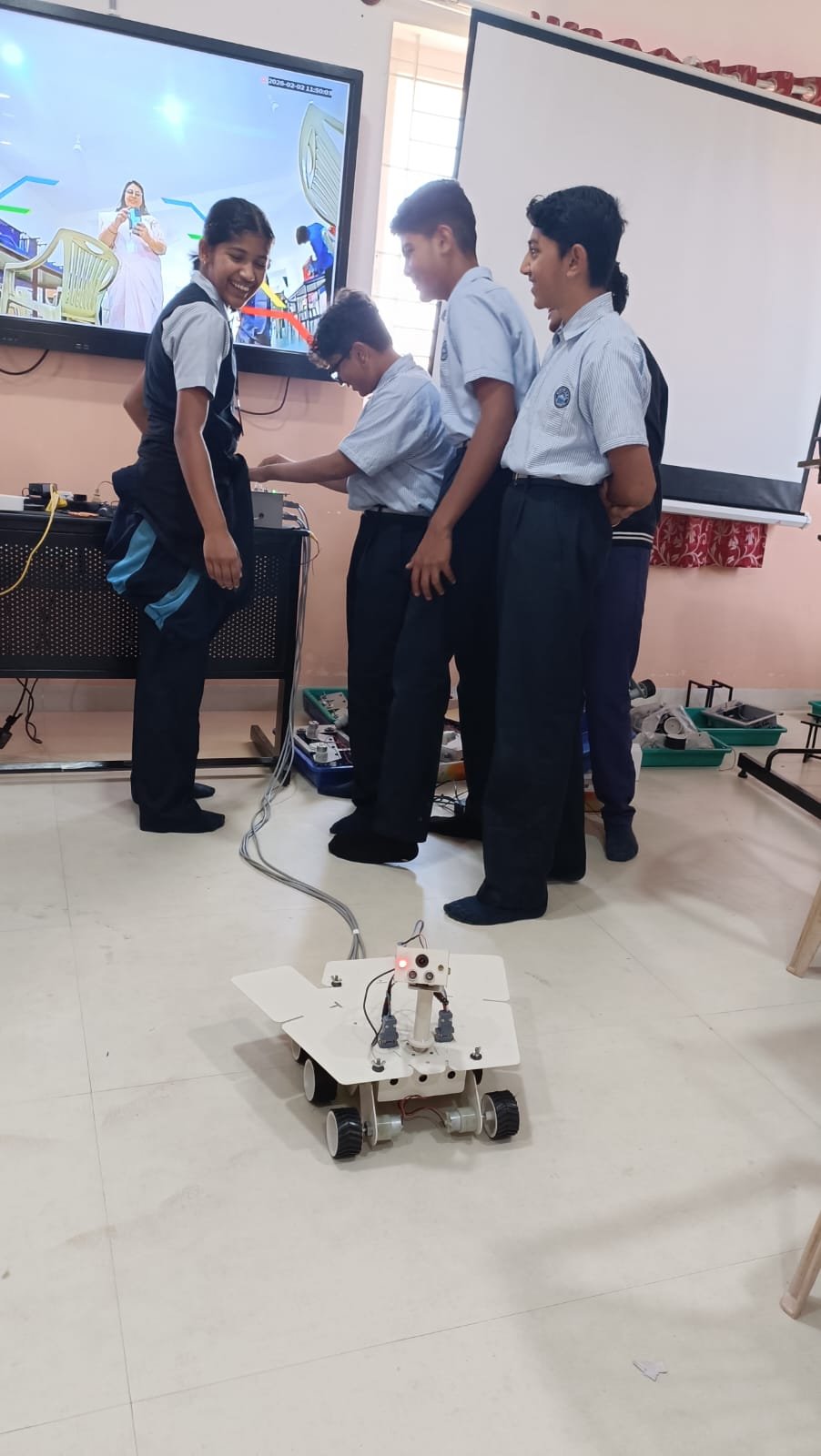
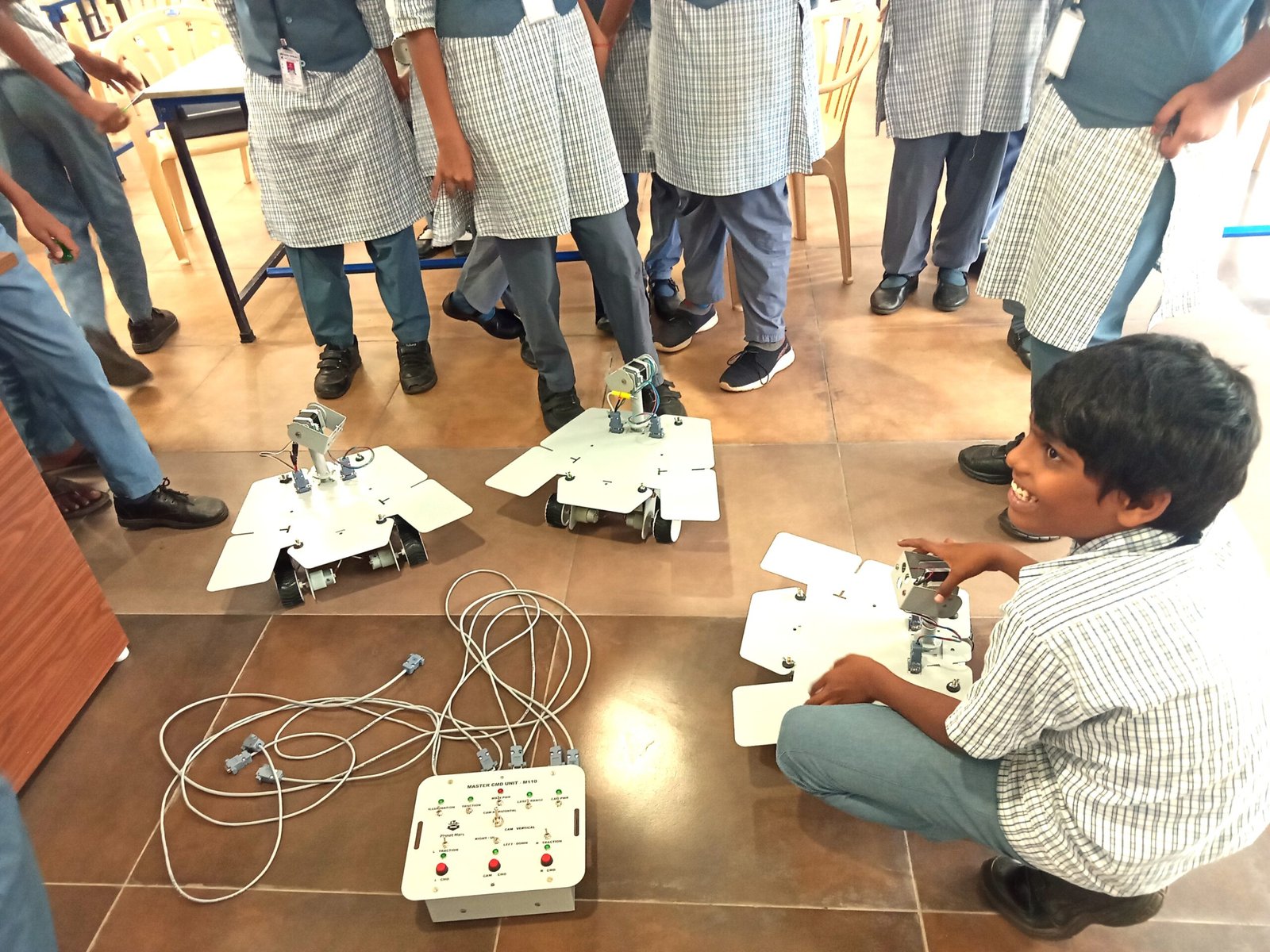
What Students Learn from the Mars Rover Training Program?
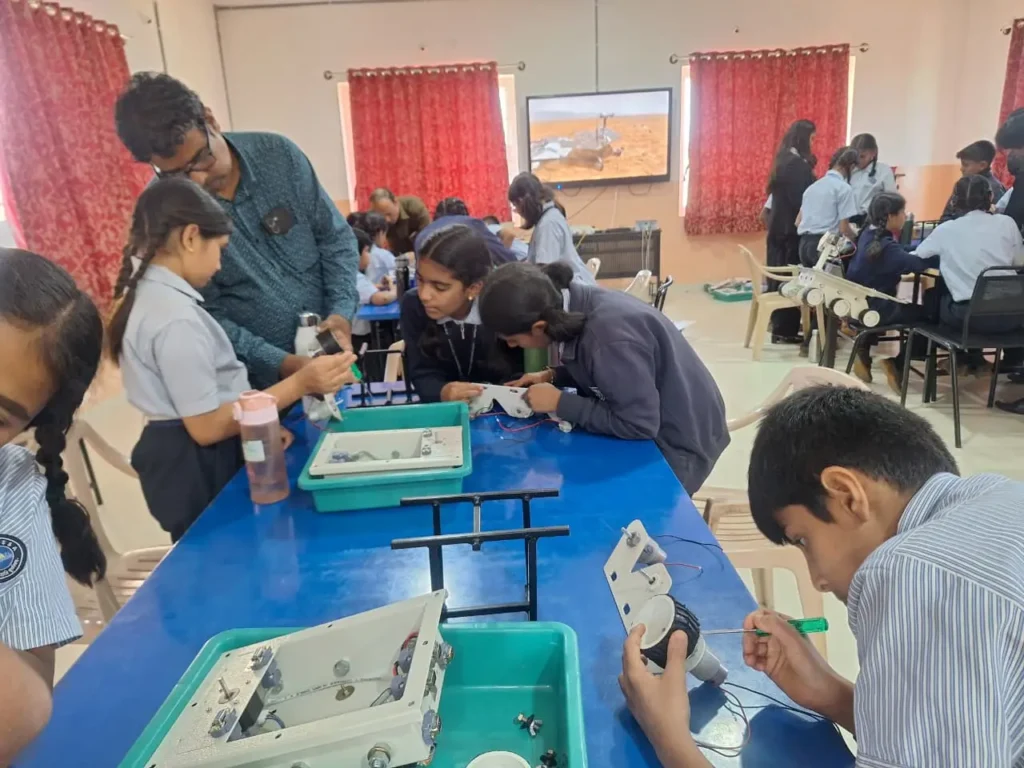
Students gain practical knowledge and hands-on experience in multiple areas of science, engineering, and space exploration through the Mars Rover Training Program. They learn how a real Mars Rover is designed, built, and operated, including understanding the rover chassis, wheel systems, suspension, motors, batteries, wiring, and control mechanisms. By assembling the rover themselves, students develop a clear understanding of mechanics, electronics, electrical systems, and basic robotics in a simple and engaging way.
The program also introduces students to Mars exploration, planetary science, and future human missions to the Moon and Mars. They learn why rovers are important for planetary exploration, how they help scientists study terrain and soil, and how they support future human settlements. Students are exposed to concepts such as habitat development, life-support systems, and space mission planning, helping them connect classroom science with real-world applications.
Beyond technical knowledge, students develop important life skills such as problem-solving, teamwork, communication, creativity, and confidence. They learn that mistakes are part of engineering and that trying, testing, and improving are essential steps toward success. By working in teams and solving practical challenges, students begin to think like engineers and explorers, preparing them for future careers in STEM and innovation
What began as a simple but powerful conversation about improving science education evolved into a meaningful mission to transform how children learn engineering and space science. Guided by the vision of A. S. Kiran Kumar and shaped through the efforts of Krishnamurthy Manjunatha, Subramanya, and the development team, the Mars Rover Training Program became far more than a classroom activity—it became a platform for inspiration, innovation, and confidence-building. Today, the program empowers children to build, experiment, and think like real engineers and explorers. It stands as a living example of how practical learning can ignite curiosity at an early age and prepare the next generation to contribute to humanity’s future on the Moon, Mars, and beyond.