Skip to content
Home » Docking with International Space Station Explained!

Docking with International Space Station Explained!

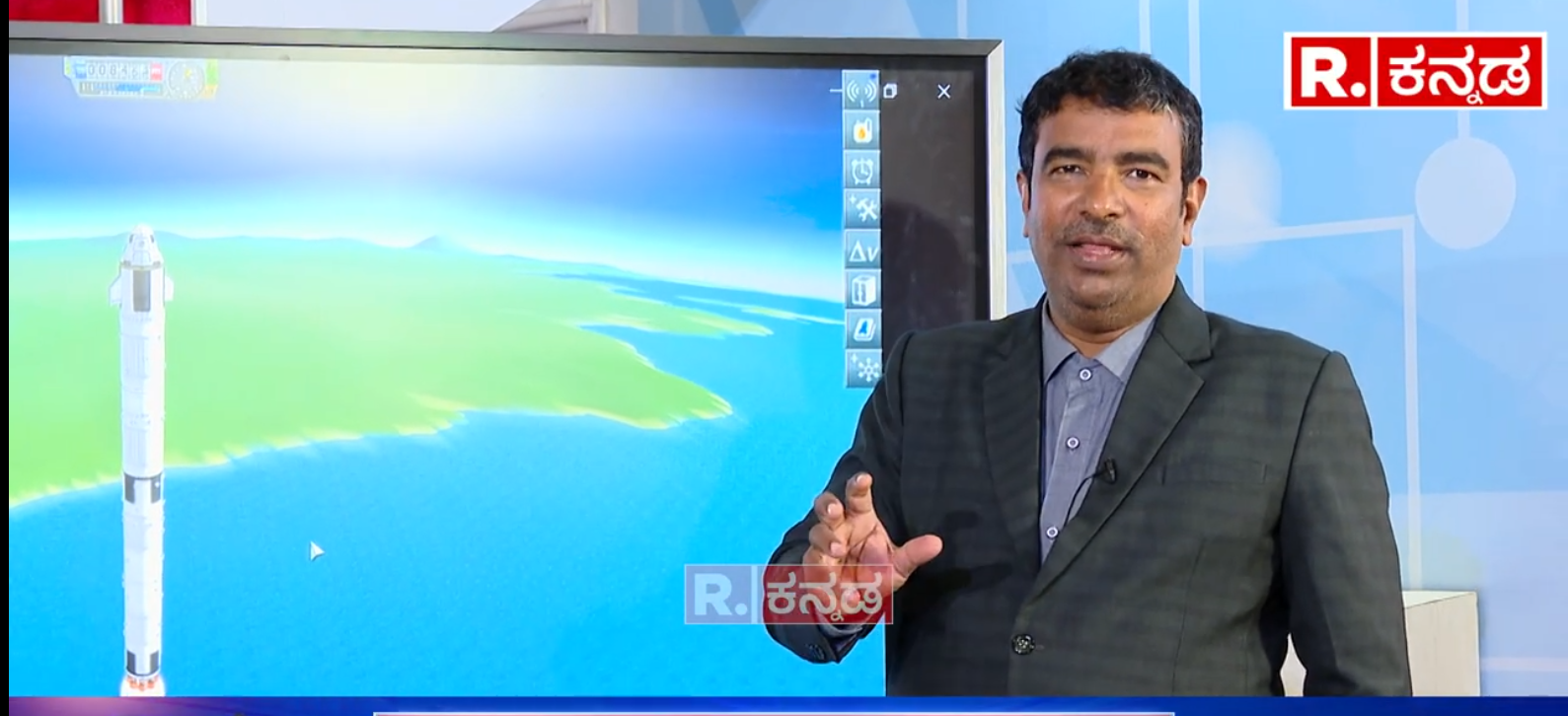
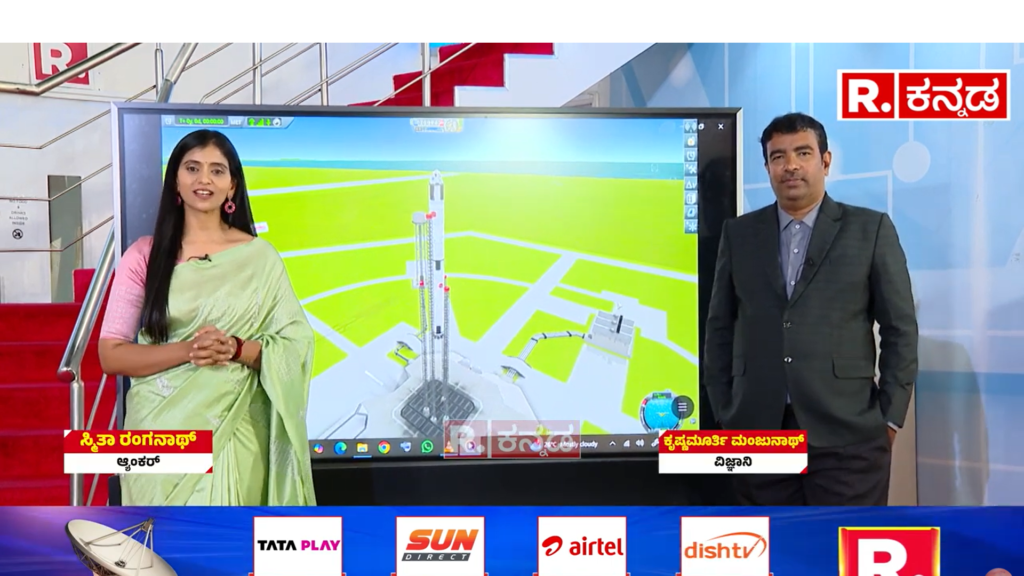
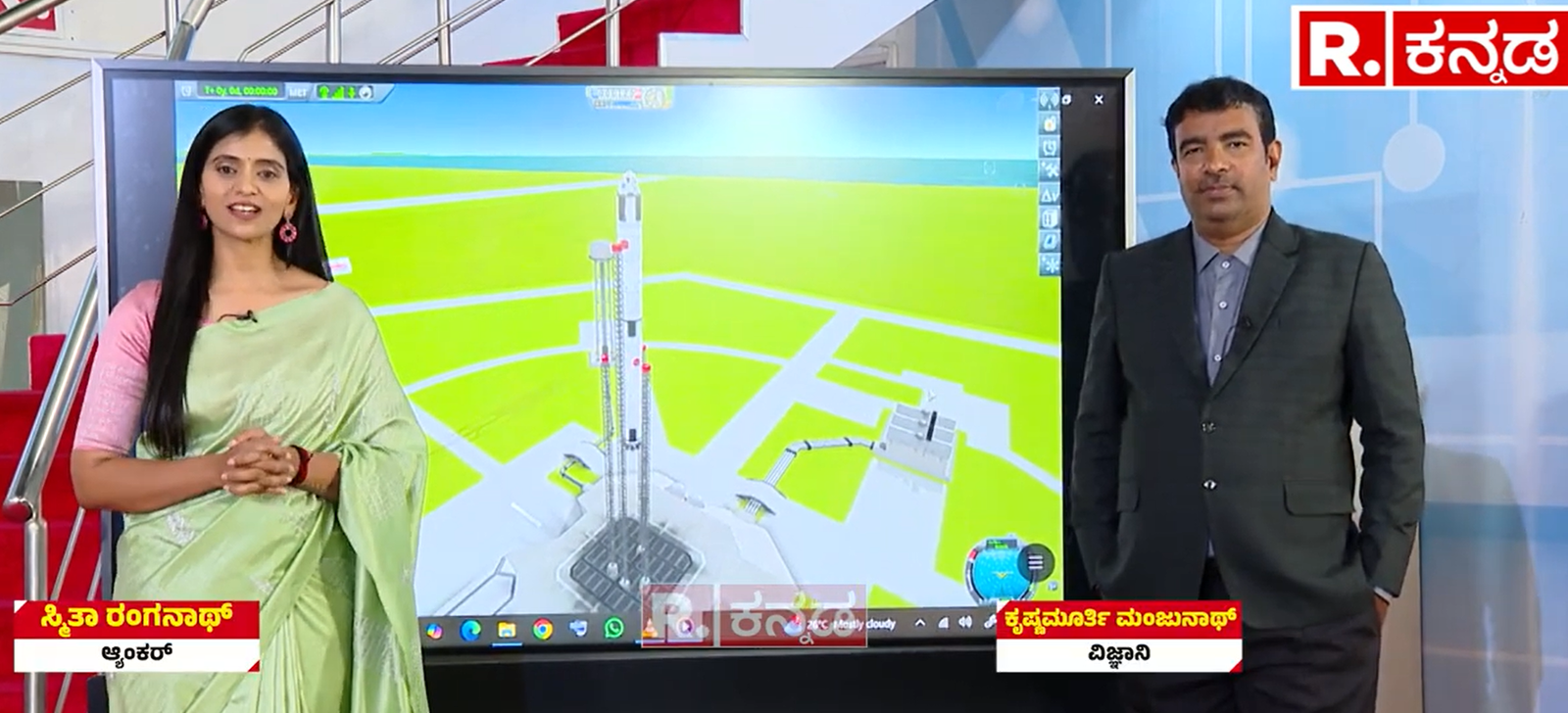
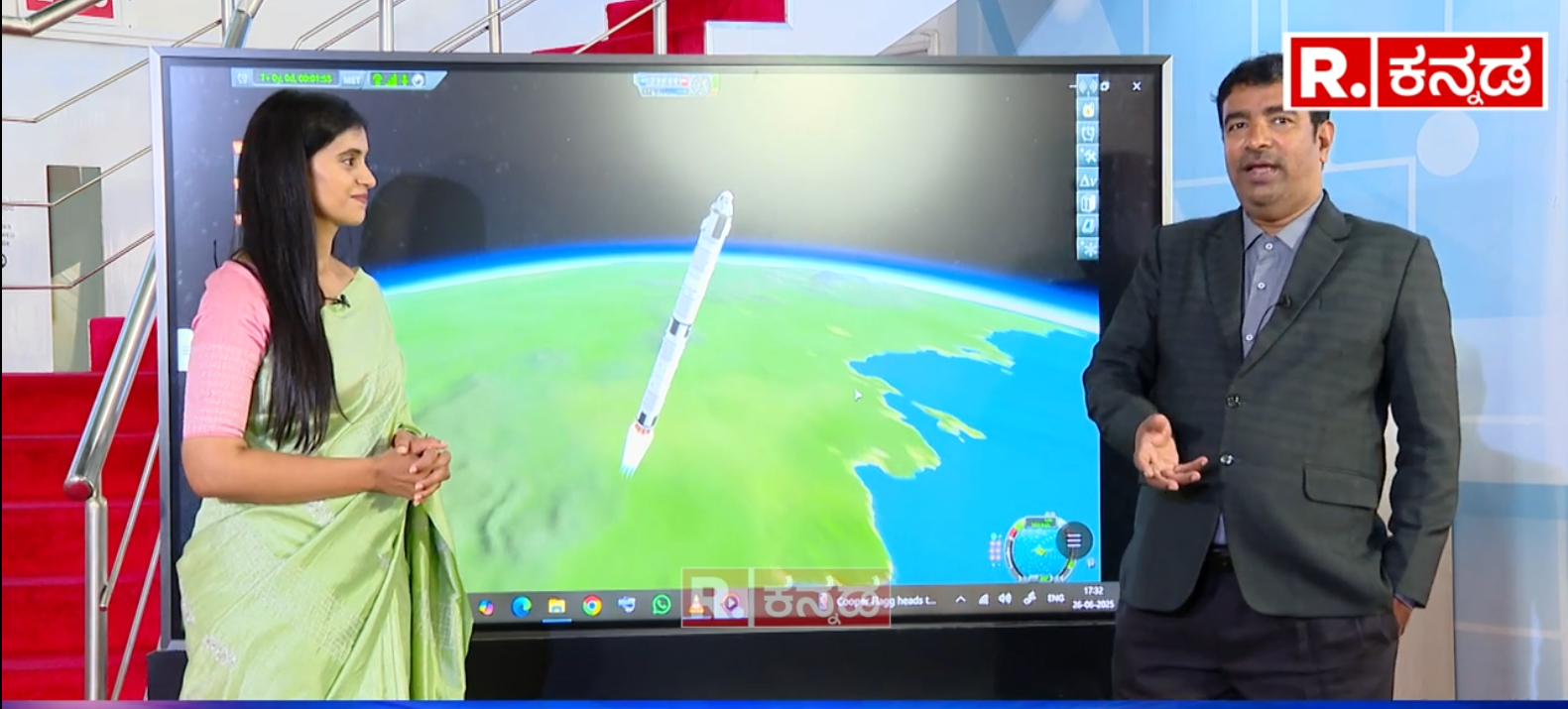
Space exploration continues to inspire millions across India, especially when Indian astronauts participate in major international missions. In this context, Krishnamurthy Manjunatha, Space Scientist  was invited by Republic Kannada for a special discussion on the historic Axiom-4 Mission and the journey of Indian astronaut Shubhanshu Shukla to the International Space Station (ISS).

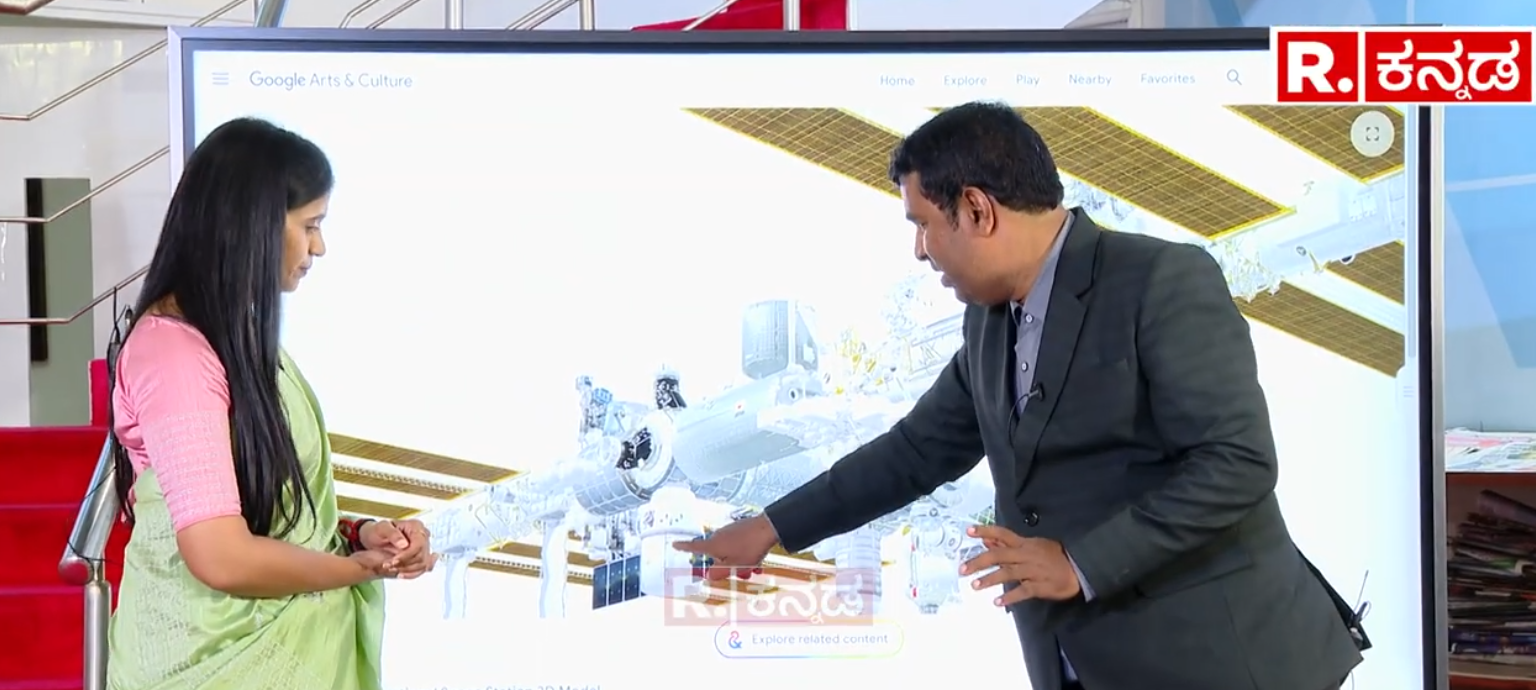
The discussion focused on explaining how modern human spaceflight missions are planned, executed, and successfully completed using advanced spacecraft systems and international collaboration. One of the key highlights of the program was a detailed explanation of how the Axiom-4 mission operated, particularly the launch, orbital travel, and docking of the SpaceX Dragon capsule with the International Space Station.

Krishnamurthy Manjunatha explained the complete docking process in a simple and practical manner for viewers, helping the public understand one of the most complex operations in human spaceflight. He described how the Dragon capsule is launched into orbit, how it performs orbital corrections, approaches the ISS with extreme precision, and finally completes automated docking using advanced sensors, navigation systems, and docking mechanisms.


The explanation also covered the role of the Axiom private mission framework, how astronauts are trained for such missions, and how the docking system ensures safe transfer of crew and supplies between the spacecraft and the station. The discussion highlighted the engineering behind autonomous docking, safety redundancies, communication systems, and the importance of precision when two spacecraft meet in orbit at extremely high velocities.

Special attention was given to how missions like Axiom-4 represent a new era of commercial human spaceflight, where private space missions work in partnership with national space agencies such as NASA and international partners. The successful journey of Shubhanshu Shukla to the space station serves as an inspiring example for young Indians who dream of participating in future human spaceflight missions.

The Republic Kannada feature helped bridge complex aerospace engineering concepts with public understanding, making space science more accessible to students, parents, and general audiences. Through this discussion, Krishnamurthy Manjunatha emphasized the importance of practical space education, awareness, and inspiring the next generation to pursue careers in science, engineering, and astronautics.

This appearance reflects the continued efforts of iMars Organization and Krishnamurthy Manjunatha to promote space education, public engagement, and scientific awareness across India. By explaining real missions like Axiom-4 in simple language, the goal is not only to inform but also to inspire future scientists, engineers, and explorers who may one day contribute to India’s journey beyond Earth.
 

Genesis of Space Technology Training Program

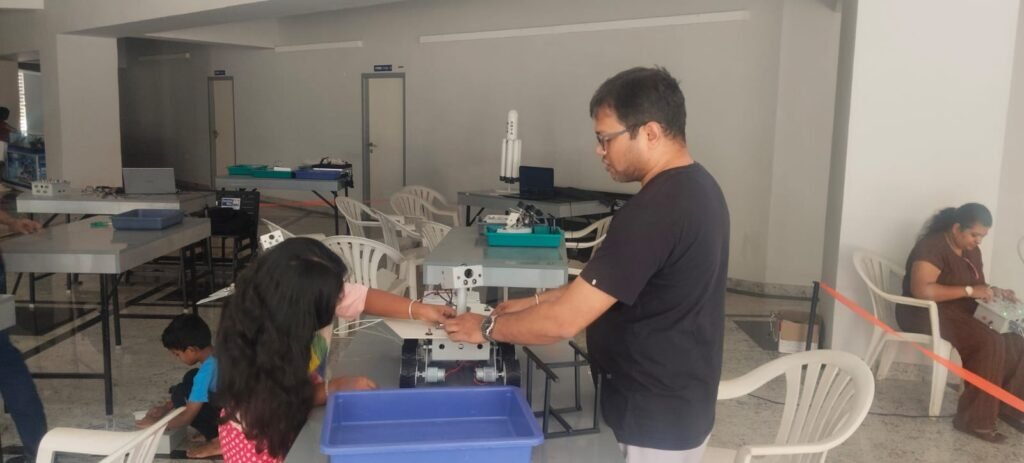
Parents and Children Learning Together at the Mars Rover Training Program

Mars Rover Training Program by iMars Organization at Jawaharlal Nehru Planetarium

Mars Rover Training Program @ SSRVM Kanakapura Road, Bangalore South

Docking with International Space Station Explained!